Earlier this year, I wrote about rekindling the spirit of ambition that has always propelled Bloomington forward—the same bold vision that drove the Showers Brothers, Sarkes Tarzian, and Bill and Gayle Cook to build transformative enterprises here. I argued that despite our extraordinary assets, we face urgent challenges: stagnant incomes, a declining population in the critical 25–50 age demographic, and the very real risk of being left behind as peer cities across the Midwest invest aggressively in their futures.
Recently, Pete Yonkman—President of Cook Group and Cook Medical, one of our region's most significant employers—wrote a column that every person involved in economic and community development in this region should read and reflect upon. Pete's piece doesn't just echo these same concerns; it provides the hard data and clear-eyed analysis that should serve as a wake-up call for our entire community.
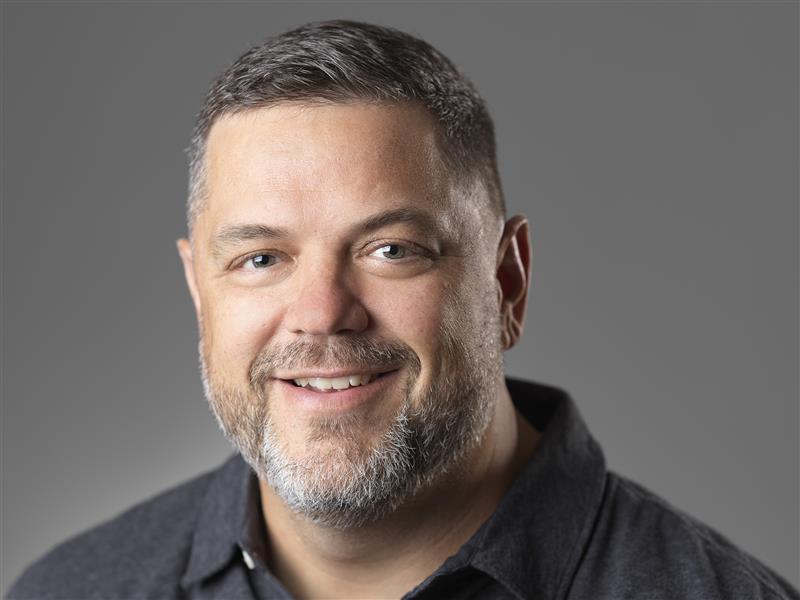
Cook Group and Cook Medical President, Pete Yonkman
What makes Pete's column particularly compelling is how it cuts through the perception gap. Yes, downtown looks busy. Yes, IU enrollment is at record levels. Yes, new buildings are going up. But as Pete meticulously documents, these visible signs of activity mask a deeper, more troubling reality: our permanent population is flat or declining, school enrollment is down 8% since 2019–20, and we've built a policy environment that—despite good intentions on all sides—systematically fails to create space for the families who form the foundation of sustainable communities.
Pete isn't writing as a partisan. He's writing as a business leader who understands that every employer – big and small, private, public and non-profits, in this region depends on strong schools, a stable workforce, and young families choosing to build their lives here. His column bridges the political and planning divides that have paralyzed us, showing how both the city's density-focused approach and the county's growth-limiting conservatism have combined to create what he aptly calls "a trap."
The question Pete poses is the same one I asked in my earlier column: Will we choose intentional growth, or will we accept slow decline?
His analysis of Tippecanoe County—which built roughly twice as many single-family homes as Monroe County over fifteen years and grew by nearly 15,000 more people—should stop us in our tracks. With our research university, world-class employers, natural assets, and I-69 corridor location, we should be among the communities gaining population, not losing it.
This isn't about choosing between liberal and conservative planning philosophies. It's about recognizing that demography is destiny, and right now, our demographic trajectory is headed in the wrong direction. Pete's column provides both the evidence and a framework for action: treat demographic health as core strategy, create real housing options for families, align our institutions around population growth, and above all, tell the truth about where we are.
I encourage everyone in our community—elected officials, planners, business leaders, educators, and engaged citizens—to read Pete's column carefully. It's the kind of serious, data-driven thought leadership we need more of in Bloomington. And it reinforces the central message of my earlier piece: we still have time to choose wisely, but only if we act with the same bold ambition that built this community in the first place.
The moment for action is now.
One final note: Pete is transparent about using ChatGPT as a collaborator in writing this piece—providing the data, ideas, and direction while using AI to help organize and draft. This thoughtful approach to AI collaboration demonstrates how technology can accelerate the writing process without replacing the human thinking, judgment, and local knowledge that make his analysis so valuable. It's a model worth noting as more leaders explore how AI tools can enhance their communications.
Subscribe to Future Ambition in Bloom columns: